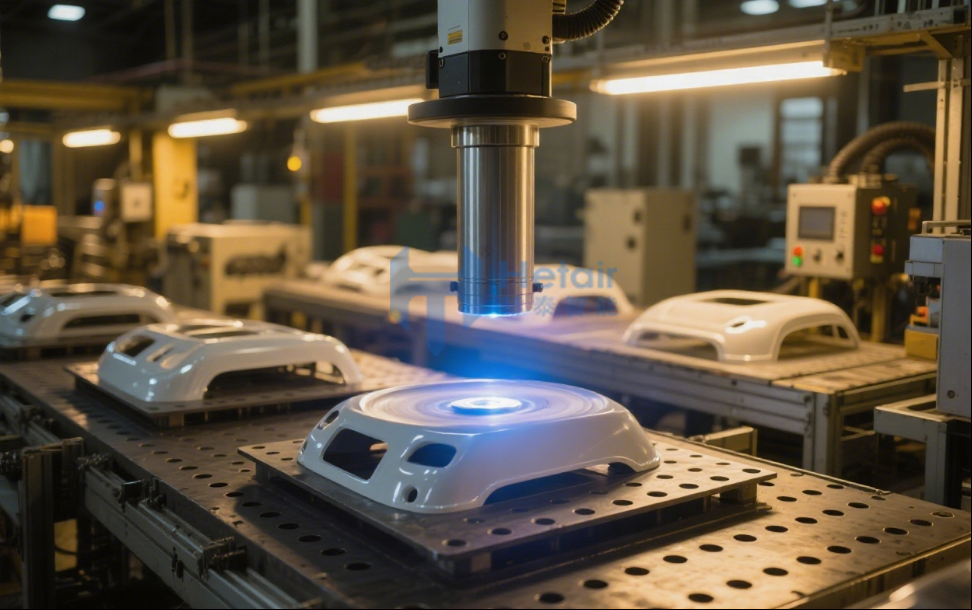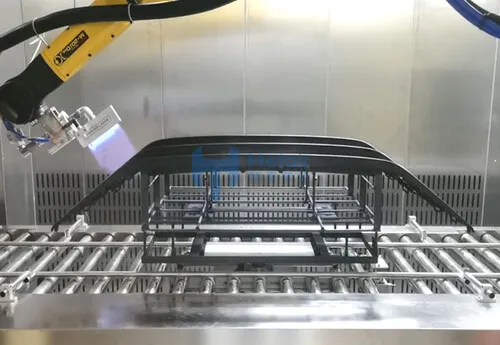
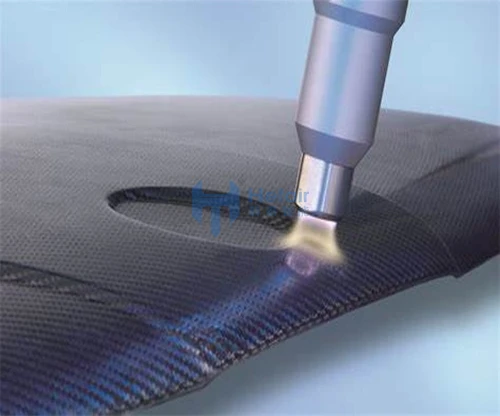
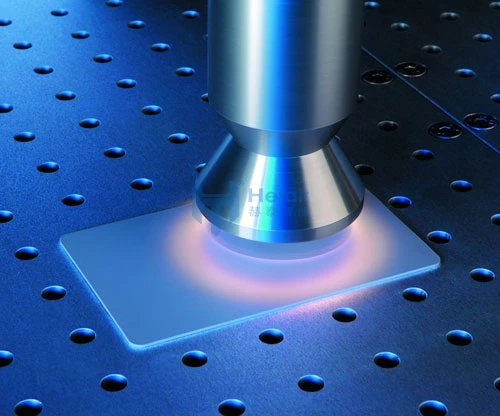
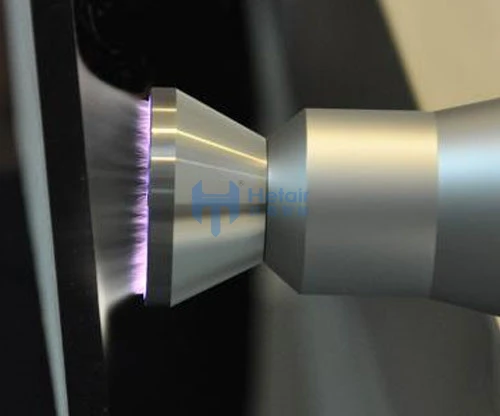
Plasma surface treatment is a technology that utilizes plasma (ionized gas) to modify material surfaces. The equipment ionizes gases (such as oxygen, nitrogen, argon, etc.) through a high-voltage electric field, generating highly reactive plasma. This plasma interacts with the material surface through physical or chemical reactions, thereby improving surface wettability, adhesion, cleanliness, or chemical properties.

Products
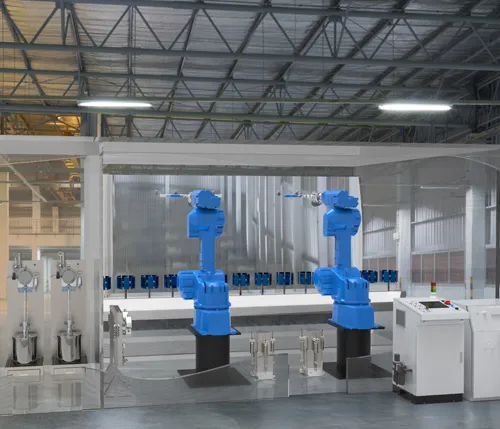
Spray Painting Line
Surface Treatment Systems
Fluid Handling Systems
Metering and Mixing System
Painting Robots & Automation
Automotive Paint Line
Spraying Booth
Conveyor Systems
Purified Air Supply And Central Air-Conditioning System
Waste Gas Waste Water Environmental Protection Treatment Plant
Skid Spraying Line
Planar Reciprocating Spraying Line
Ground Rail Automatic Painting Line
Spindle Spraying Line
Hanging Electrostatic Coating and Painting Production Line
Projects
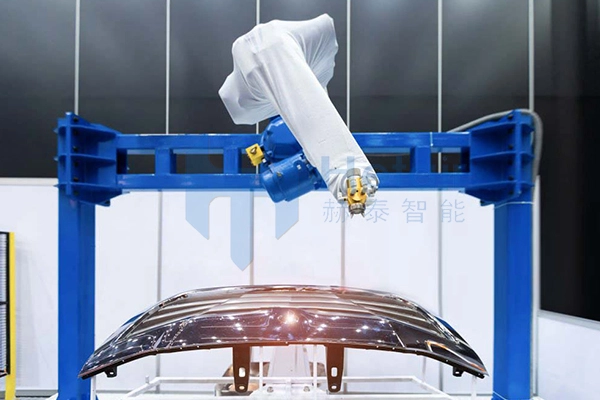
Automotive Industry Coating
Metal Parts Coating
Surface Treatment
Electrics & Electronics Coating
Wood Furniture Coating
Plastic & Carbon Fiber Products Coating
Other Projects
Spraying Automotive Between-Seat Storage Panels
Spraying Automotive Door Trims, Fuel Tank Covers Automotive Door Trim/Interior Trim Rotary In-Line Robot Spraying
Robot In-Line Synchronized Tracking Coating
Online Flat Spraying for Automotive Interior Parts
Online Synchronized Tracking Flat Spray for Automotive Interior Parts
Online Rotating Spraying of Car Rearview Mirrors, Fuel Tank Caps and Decorative Strips
Automotive Cladding Precision Coating
Online Rotary Spraying of Car Door Handles
Offline Spraying of Car Rear Wings + Robot Automatic Transplantation
Offline Painting of Car Lamps
Offline Spraying of Headlights
Offline Spraying of Car Headlights
Spinder Line Robotic Coating
Spinder Line Robot Spraying
Offline Rotary Table (Flat Spraying + Double Disk Rotary Spraying)
Wood Veneer Spraying for Automotive Interior Parts
Standard Sprayer Workstation - Wood Veneer Spraying Example
Reciprocating Machine Spraying